

Dental handpieces are essential tools in any dental practice, enabling dentists to perform a wide range of procedures with precision and efficiency. With various types of handpieces available, each designed for specific tasks, it’s crucial for dental professionals to understand their differences and applications. This guide outlines the primary types of dental handpieces and their uses, helping you make informed decisions for your practice.
High-Speed Handpieces
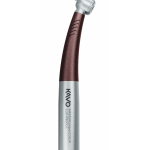
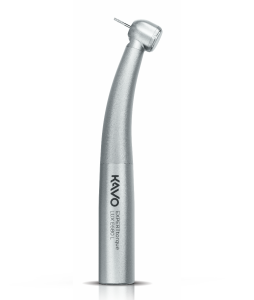
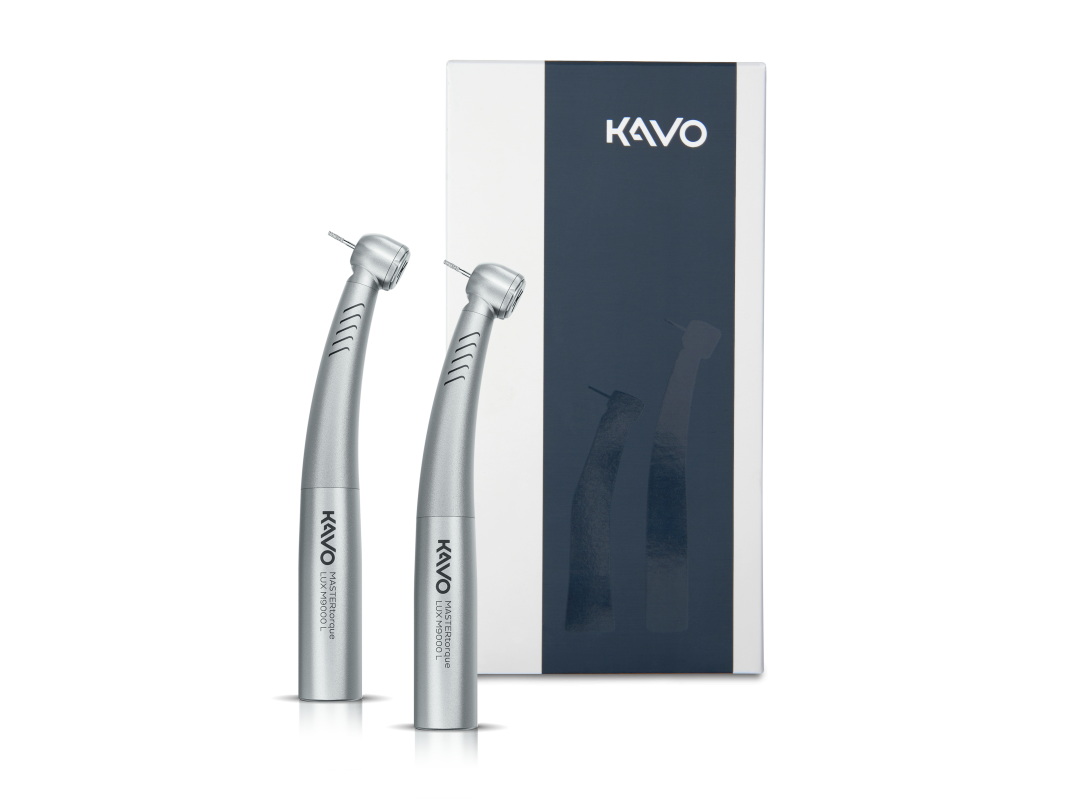
High-speed handpieces, often referred to as air-turbine handpieces, are a staple in modern dentistry. These tools are designed for tasks that require fast and efficient cutting.
Key Features
- Speed: They can reach speeds up to 400,000 RPM.
- Cooling Systems: Built-in water spray keeps the tooth cool and prevents heat damage.
- Precision Work: Perfect for accurate cutting and shaping.
Common Uses
- Cavity Prep: Quickly removes decayed tooth material.
- Crown Work: Shapes teeth for crowns and bridges.
- Old Fillings: Efficiently removes old or damaged restorations.
Low-Speed Handpieces
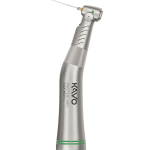
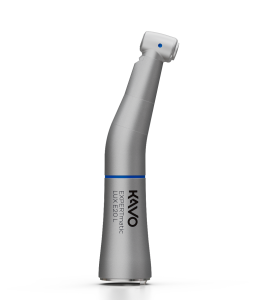
Low-speed handpieces are the go-to for tasks that need more torque and control rather than high speed.
Key Features
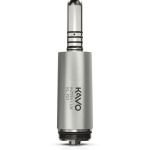
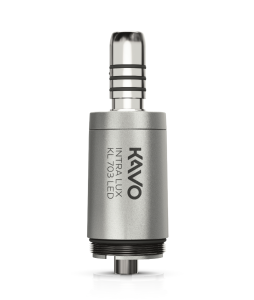
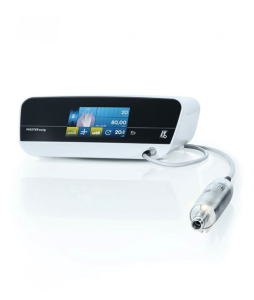
- Variable Speed: Motor driven, operating between 100 to 40,000 RPM.
- Smooth Control: Allows for precise speed adjustments.
- Versatility: Can use various attachments like prophy angles and contra-angles.
Common Uses
- Polishing: Ideal for polishing teeth and restorations.
- Caries Removal: Precisely removes decayed tooth material.
- Root Canals: Essential for cleaning and shaping canals during endodontic treatments.
Surgical Handpieces
Surgical handpieces are designed specifically for oral and maxillofacial surgeries, offering the precision and durability needed for these complex procedures.
Key Features
- Tough and Durable: Made to withstand the demands of surgery.
- Sterilisation Ready: Fully sterilizable to maintain hygiene standards.
- Special Attachments: Compatible with various surgical tools.
Common Uses
- Bone Work: Removes or modifies bone during surgery.
- Implant Placement: Crucial for accurate implant placement.
- Teeth Extraction: Helps in extracting difficult or impacted teeth.
Specialty Handpieces
Specialty handpieces are tailored for specific dental tasks, offering unique features for particular procedures.
Examples
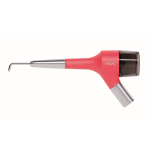
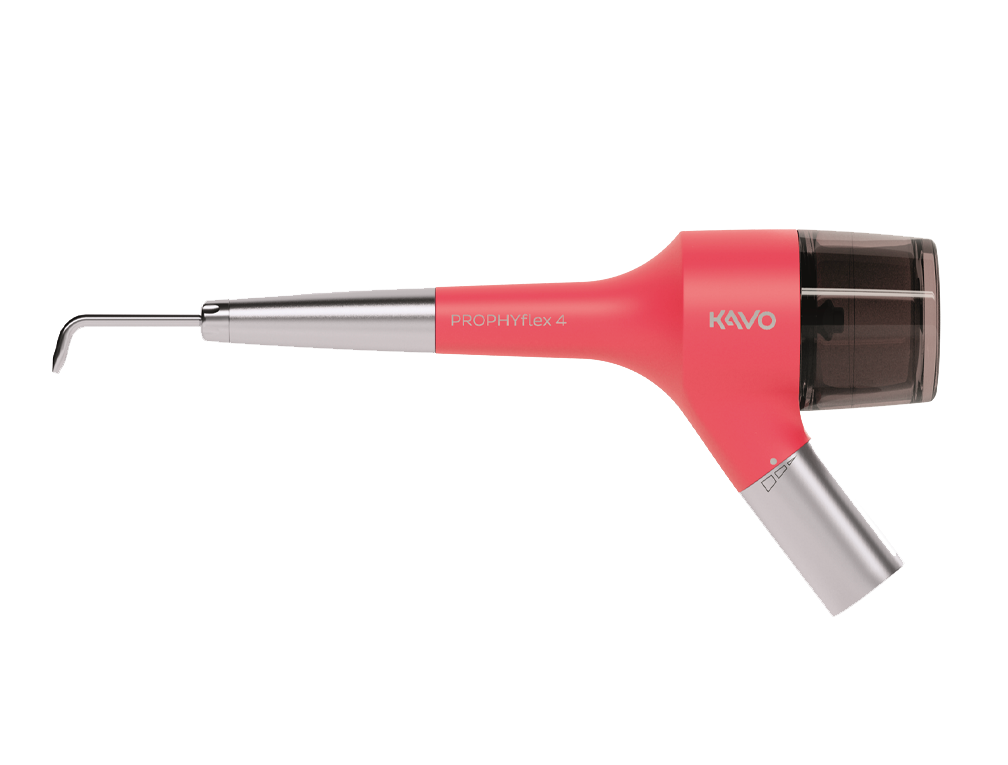
- Prophy Handpieces: Designed for cleaning and polishing teeth.
- Endodontic Handpieces: Perfect for root canal treatments.
- Orthodontic Handpieces: Used for tasks like placing and removing brackets.
Key Features
- Task-Specific: Engineered for particular dental procedures.
- Wide Compatibility: Often works with various attachments.
- Precision: Provides the accuracy needed for specialised tasks.
Common Uses
- Teeth Cleaning: Ensures thorough cleaning during dental prophylaxis.
- Root Canal Work: Facilitates precise canal preparation.
- Orthodontics: Assists in various orthodontic treatments and adjustments.
Understanding the different types of dental handpieces and their applications is crucial for any dental professional. Each handpiece type offers unique features and benefits tailored to specific dental procedures, ensuring optimal patient care and procedural efficiency. Whether you need the high-speed precision of an air-turbine handpiece or the consistent torque of an electric handpiece, choosing the right tool for the job will enhance your practice’s capabilities and outcomes.
For more detailed information on dental handpieces and to explore a wide range of options, visit the shop page!