
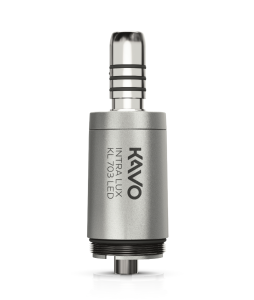
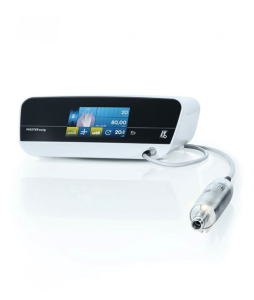
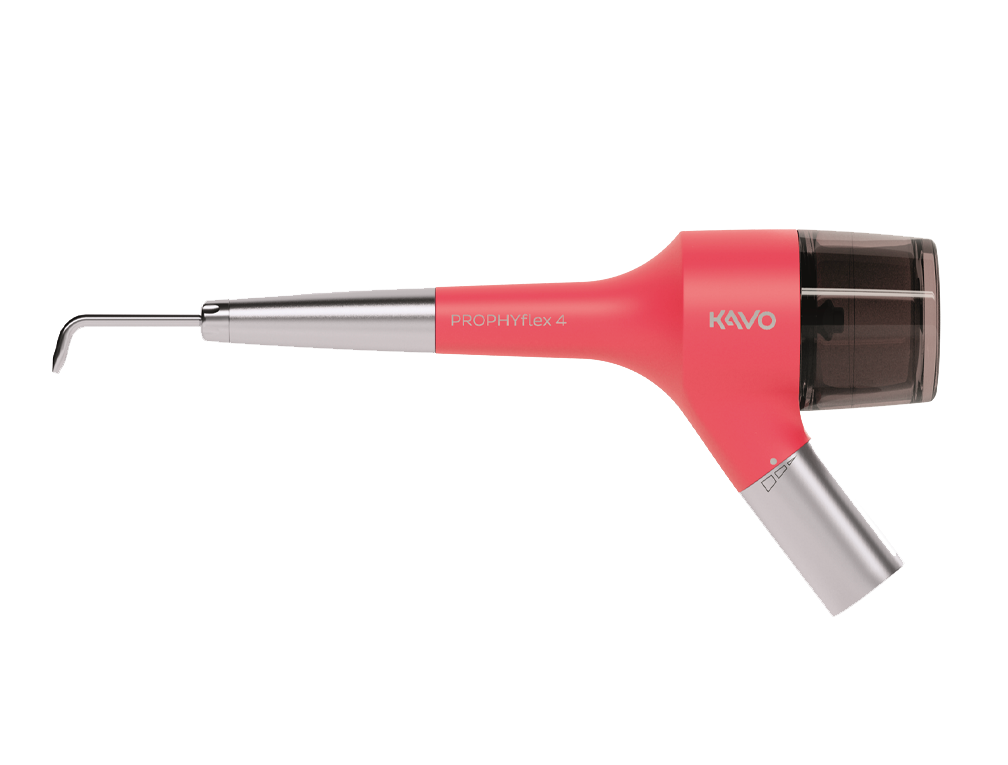



Choosing the right dental handpiece for your practice is crucial for ensuring efficiency, precision, and patient satisfaction. With various types of handpieces available, it’s essential to understand their features and applications to make an informed decision. This guide will walk you through the key considerations and steps to select the perfect handpiece for your needs.
Step 1: Understand the Types of Handpieces
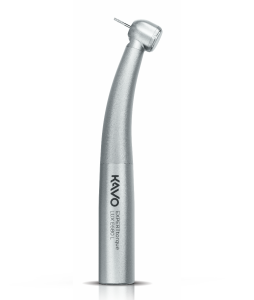
High-Speed Handpieces
Ideal For:
- Cavity preparation
- Crown and bridge work
- Removing old restorations
Key Features:
- Speeds up to 450,000 RPM
- Built-in water spray for cooling
- High precision for accurate cutting and shaping
Low-Speed Handpieces
Ideal For:
- Polishing and finishing
- Caries removal
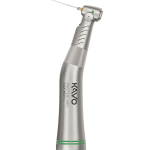
- Root canal treatments
Key Features:
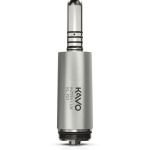
- Variable speeds between 100 to 40,000 RPM
- Precise speed control
- Compatibility with various attachments
Surgical Handpieces
Ideal For:
- Bone removal or modification
- Implant placement
- Teeth extraction
Key Features:
- Durable and made to withstand rigorous use
- Fully sterilizable for hygiene
- Compatible with special surgical attachments
Specialty Handpieces
Examples:
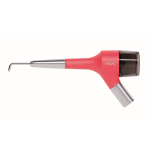
- Prophy handpieces for cleaning and polishing teeth
- Endodontic handpieces for root canal treatments
- Orthodontic handpieces for bracket placement and removal
Key Features:
- Engineered for specific dental procedures
- Wide compatibility with various attachments
- High precision for specialised tasks
Step 2: Assess Your Practice’s Needs
Consider Your Procedures
- General Dentistry: High-speed and low-speed handpieces are essential.
- Specialised Treatments: Consider specialty handpieces if you perform endodontic, orthodontic, or surgical procedures.
Frequency of Use
- High Use: Invest in high-quality, durable handpieces for frequently performed procedures.
- Occasional Use: Less frequent procedures may not require top-of-the-line models.
Step 3: Evaluate Key Features
Speed and Torque
- High-Speed Handpieces: Look for high RPMs for procedures needing quick cutting.
- Low-Speed Handpieces: Ensure variable speed control for delicate tasks.
Ergonomics and Comfort
- Lightweight and Well-Balanced: Reduce hand fatigue during prolonged use.
- Design: Choose ergonomic designs for better handling and comfort.
Maintenance and Sterilisation
- Autoclavable: Ensure the handpieces can be fully sterilised to maintain hygiene.
- Maintenance Systems: Consider handpieces compatible with automatic maintenance systems for longevity and performance.
Noise Level
- Noise Reduction: Look for handpieces with advanced technology to minimise noise, enhancing patient comfort.
Step 4: Set a Budget
High-End vs. Mid-Range
- High-End Handpieces: Offer superior features, durability, and performance, but come at a higher cost.
- Mid-Range Handpieces: Balance between cost and quality, suitable for general use without specialised requirements.
Long-Term Investment
- Consider the long-term benefits of investing in quality handpieces that require less frequent replacements and repairs.
Step 5: Research and Reviews
Manufacturer Reputation
- Trusted Brands: Opt for reputable brands known for quality and reliability, such as KaVo.
- Warranty and Support: Ensure the manufacturer offers robust customer support and a comprehensive warranty.
User Reviews
- Professional Feedback: Read reviews from other dental professionals to gauge the performance and reliability of the handpieces.
Supplier Consultation
- Expert Advice: Consult with your dental equipment supplier for recommendations tailored to your specific requirements.
Conclusion
Choosing the right dental handpiece involves understanding the types available, assessing your practice’s needs, evaluating key features, setting a budget, conducting thorough research before purchasing. By following this guide, you can confidently select the handpieces that will enhance your practice’s efficiency and patient care.
For more information and to explore our range of dental handpieces, feel free to get in touch. Equip your practice with the best tools to deliver exceptional dental care.